Solid wood vs wood-clad
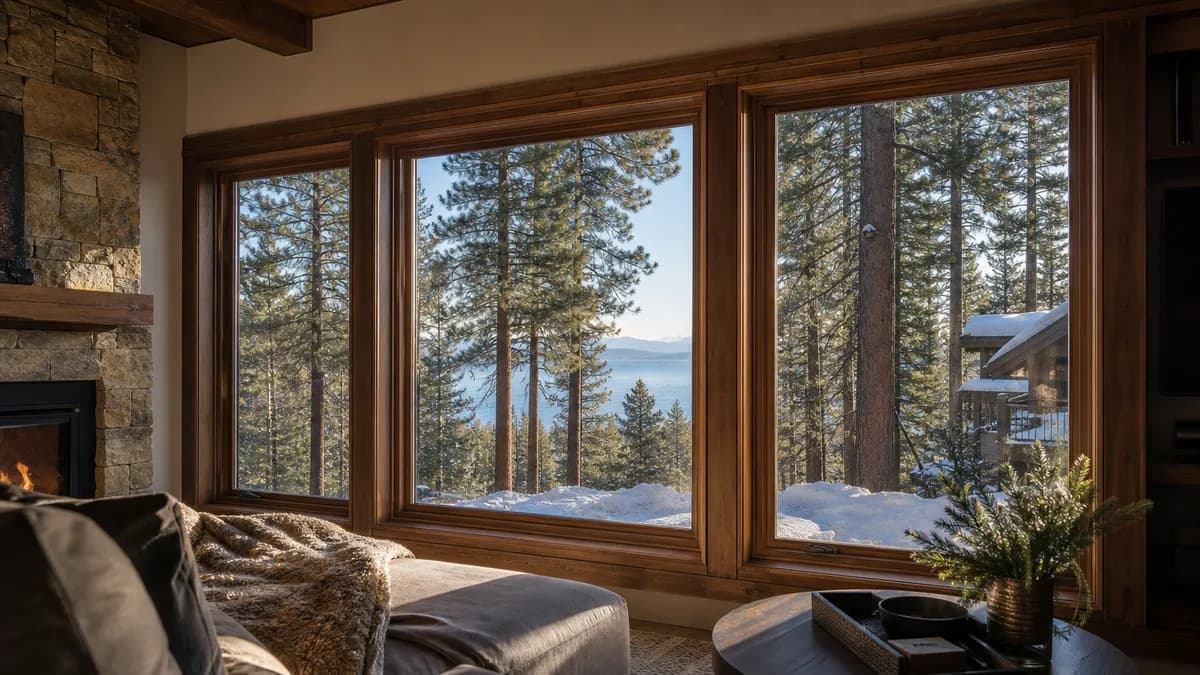
A solid wood window shows wood inside and out and needs a finish on both sides. A wood-clad window has a wood interior with a shell of aluminum, vinyl or fiberglass on the exterior; the interior stays stainable or paintable while the outside takes the weather. Wood-clad is the more common choice for new replacements in a climate with intense sun and wind, because it removes most of the exterior maintenance.
- Solid wood: the traditional look; best for historic or tightly matched profiles; highest upkeep.
- Wood-clad: wood interior, low-maintenance exterior; costs more than basic vinyl; wide color choice outside.
- Interior wood on a vinyl or fiberglass core: some lines offer a wood-look or wood-veneer interior; ask what the product actually is before comparing prices.
Wood window cost
National cost guides put wood windows across a wide range because the category spans basic wood to custom wood-clad. These are installed prices per window from published guides, not Reno quotes. Reno pricing varies with size, species, finish, glass and install method.
| Source | Wood, per window | Vinyl, for comparison | Fiberglass, for comparison |
|---|---|---|---|
| HomeAdvisor | $150–$1,300 | $100–$900 | $500–$1,500 |
| Fixr | $600–$2,000 | $350–$800 | $400–$1,500 |
| This Old House 2026 survey | $544 average | $472 average | $564 average |
Custom sizes, divided lites and specialty shapes can push a wood job above the printed ranges. HomeAdvisor lists custom windows at $1,000 and up. For whole-house totals and the labor split between insert and full-frame work, see window replacement cost in Reno.
How wood performs in a dry climate
Low rainfall helps, sun and cycling hurt
Wood's classic enemy is moisture, and Reno is dry: 7.35 inches of precipitation a year at the airport, with measurable precipitation on about 49 days. That is good for rot. The trade-off is sun and dryness. The Western Regional Climate Center describes northern Nevada's climate as bright sunshine and clean, dry air with large daily temperature ranges, and Reno's July days swing 33.5°F between the high and the low. Finishes on exposed wood dry, fade and crack faster under that kind of sun, and wood moves slightly with humidity and temperature changes.
Where moisture still shows up
Snow and freeze-thaw are the exceptions. Reno sees about 20.9 inches of snow a year and about 122 days at or below freezing, and the Tahoe-side foothills are wetter. Sills, bottom rails and joints where snow melt sits against wood are the usual first failures. Condensation on cold glass in winter can also reach the lower sash. Proper flashing, sill pans and caulking at install matter as much as the frame.
Wood-clad exteriors and sun-facing walls
South- and west-facing elevations take the most direct sun. A clad exterior keeps the finish off those surfaces; solid wood needs refinishing more often. Ask the installer how often the manufacturer recommends refinishing each side, and what the warranty says about finish failure.
Lifespan and upkeep
This Old House gives wood windows 15 to 30 years, and notes they can last indefinitely if maintained. That compares with 20 to 40 for vinyl and 30 to 50+ for fiberglass. In practice wood lifespan is a maintenance decision.
- Inspect the exterior finish and caulk every year, with extra attention to sun-facing walls.
- Refinish or repaint when the finish dulls or checks, before bare wood is exposed.
- Clear snow and standing water from sills and window wells.
- Keep weatherstripping intact and operate sashes so hardware does not seize.
- Check the insulated glass unit for fog between panes, which signals seal failure.
Repair vs replace
Original wood windows in older Reno homes can often be repaired: sanding and refinishing, replacing sash cords, re-glazing and fixing weatherstripping all cost less than replacement. Rot that has reached the frame, failed glass units or windows that no longer meet your energy goals tip the balance toward replacing. See window repair for typical repair scenarios.
If your home was built before 1978, EPA lead-safe rules apply to paid window replacement: window replacement and demolition of painted surfaces are always covered regardless of square footage, and the contractor must be certified. Ask any installer whether they hold the certification.
Energy ratings, code and permits
City of Reno's EZ Permit sheet lists a minimum U-factor of 0.30 for window replacement, with labels checked at inspection. ENERGY STAR v7.0 Northern zone targets U-0.22 or better with SHGC of 0.17 or higher. Wood is a good natural insulator at the frame, but the glass package drives the rating; see energy-efficient windows.
Washoe County exempts same-opening, same-size window replacement in unincorporated areas, and City of Reno treats window replacement as permit-required, so the installer should confirm or pull the permit. Mountain and lake-side homes may also fall under wildland-urban interface rules: Washoe's WUI guide requires tempered glass, dual or triple glazed units, glass block or a 20-minute fire-resistive rating for exterior windows. Request a match and we connect you with a licensed local installer who can advise on both.
Main guide: window replacement in Reno, NV.