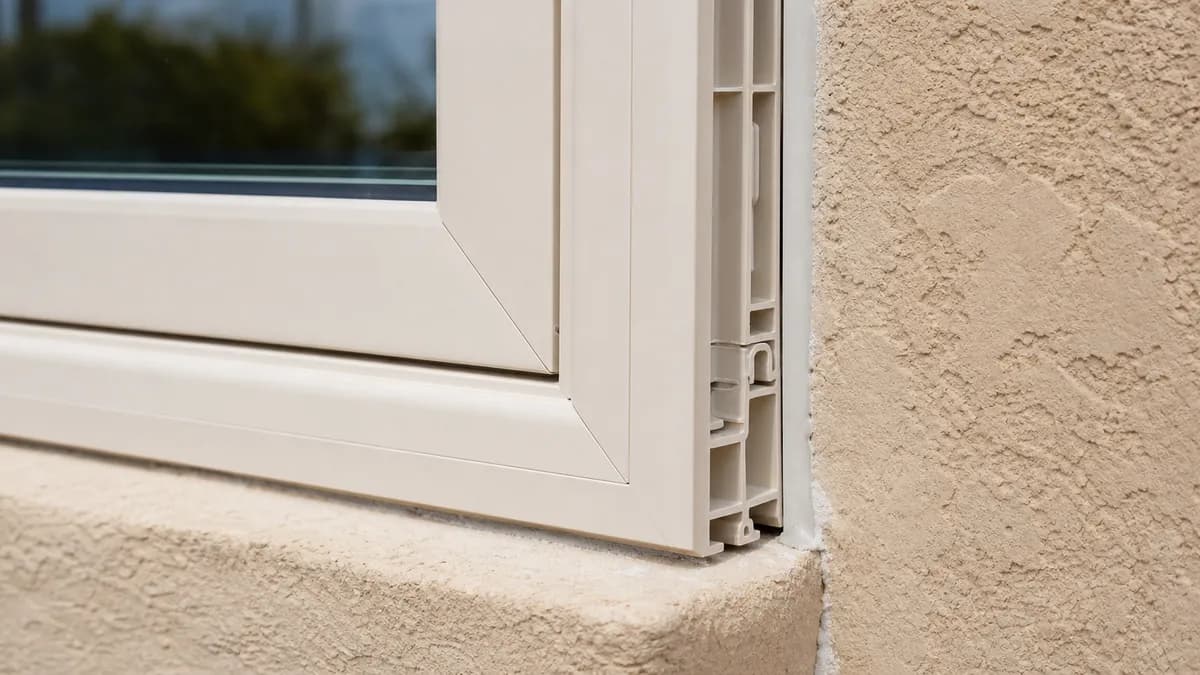
Why vinyl is the default replacement frame
Vinyl frames are extruded PVC with hollow chambers, and the color runs through the material rather than sitting on a painted surface. That is why most vinyl never needs repainting, and why it is usually the lowest-cost frame that still performs well on energy. Many of the stucco ranch homes built in the Reno-Sparks area from the 1990s on already have white or tan vinyl, so a vinyl-for-vinyl swap is often the simplest job.
Vinyl is also available in nearly every window style: double-hung, sliding, casement, picture and bay and bow. Frame material and window style are separate decisions, and a licensed installer can quote the same style in more than one material so you can compare.
Vinyl window cost
National cost guides put vinyl windows in the middle of the frame-material range. These figures are installed prices per window from published guides, not Reno quotes. Reno quotes vary with window size, style, glass package, whether the job is an insert or full-frame, and the installer.
| Source | Vinyl, per window | What it covers |
|---|---|---|
| HomeAdvisor | $100–$900 | Range across vinyl window jobs |
| Fixr | $350–$800 | Range by frame material |
| This Old House 2026 survey | $472 average | Homeowner-reported installed price |
For comparison, the same guides list aluminum at $75–$400 (HomeAdvisor) and $200–$800 (Fixr), fiberglass at $500–$1,500 (HomeAdvisor), and wood at $150–$1,300 (HomeAdvisor). See window replacement cost in Reno for whole-house totals and the insert versus full-frame labor split.
How long vinyl windows last
This Old House puts vinyl window lifespan at 20 to 40 years, versus 30 to 50+ for fiberglass, 15 to 30 for wood without upkeep and 15 to 30 for aluminum. The spread inside vinyl is wide because lifespan depends on product quality, the install, and the exposure the window sees.
What shortens vinyl life in Reno
Northern Nevada gives frames a lot of thermal cycling. NOAA normals for Reno-Tahoe International show a July high near 93.9°F and a low near 60.4°F, a 33.5°F swing in one day, and about 122 days a year at or below freezing. Vinyl expands and contracts with that cycling, so corners, welds and the seal between the frame and the glass unit take the strain. Better frames use welded corners and a properly installed perimeter seal; ask the installer how the corners are joined and what the manufacturer's warranty says about frame and glass seal failure.
Sun exposure matters too. Reno averages 65 days a year at or above 90°F, and the Western Regional Climate Center reports possible sunshine of 65 to 75% in northern Nevada. West- and south-facing walls take the most direct sun, and that is where frames and the insulated glass unit seal are tested hardest. A failed seal shows up as fog between panes; see window repair for what can be fixed without a full replacement.
Choosing a vinyl color for high-desert sun
White and light tan are the standard vinyl colors, and they reflect more sun than darker ones. Dark bronze, brown and black finishes look sharp against stucco and wood siding, but darker surfaces absorb more solar heat, and that heat stresses the frame in strong sun. The finish matters more than the color name: some manufacturers laminate a color film over white vinyl, others use a heat-reflective color formula, and some do not offer dark colors in vinyl at all.
- Ask whether the dark color is a laminate, a coating or a through-color, and whether the manufacturer approves it for a south- or west-facing wall.
- Confirm the warranty covers color fade and finish failure, and read whether dark colors carry different terms.
- Check HOA rules before ordering. Some Reno-area communities limit exterior frame colors.
- If you want a dark exterior, compare a fiberglass window, which holds paint well and is commonly specified for dark finishes.
Energy performance and code
The City of Reno's EZ Permit sheet lists window replacement with a minimum U-factor of 0.30 and window labels checked at inspection. Most double-pane vinyl windows with a low-E coating can meet that number, but the label is what counts: NFRC rates U-factor (how much heat escapes, lower is better) and SHGC (how much solar heat enters, on a 0 to 1 scale). ENERGY STAR's Northern zone, which covers the Reno area, asks for U-0.22 or better, a tighter voluntary target. Both are covered in energy-efficient windows.
Vinyl's hollow chambers and low conductivity help the frame side of the rating, but the glass package decides most of the number. The federal 25C window tax credit ended for property placed in service after December 31, 2025, so a vinyl purchase today should stand on its own energy savings and comfort.
Vinyl vs fiberglass vs wood
| Material | Typical lifespan | National cost per window (HomeAdvisor) | Upkeep in a dry climate |
|---|---|---|---|
| Vinyl | 20–40 years | $100–$900 | Wash and check seals; no painting |
| Fiberglass | 30–50+ years | $500–$1,500 | Low; paintable |
| Wood | 15–30 years (longer if maintained) | $150–$1,300 | Highest; finish needs regular attention |
Vinyl wins on price and low upkeep. Fiberglass costs more and suits dark colors and larger openings. Wood suits historic and mountain-style homes where the interior look matters most. The window frame materials guide puts all five frame types side by side.
Getting a vinyl window quote
Request a match and we connect you with a licensed local installer who can measure, quote and pull any permit the city requires. Washoe County exempts same-opening, same-size window replacement in unincorporated areas, while City of Reno treats window replacement as a permitted job. Sparks and Carson City rules are not confirmed here, so ask the installer or the building department. Whether the work is an insert or a full-frame install affects both price and frame size; see retrofit vs full-frame windows.
Main guide: window replacement in Reno, NV.